

Origins and Early Years of Ligue 1
Ligue 1, the top tier of French football, was established in 1932 under the name “National” before being renamed “Division 1” and eventually “Ligue 1” in 2002. The league’s creation was driven by the need to professionalize football in France, following the example set by other European countries. The first season featured 20 teams, and Olympique Lillois emerged as the inaugural champions.
Evolution of the League Structure
Over the decades, Ligue 1 has undergone numerous changes in its structure. Initially, the league operated with a simple round-robin format, but as the sport grew in popularity, modifications were made to enhance competitiveness. The number of teams has fluctuated, with the current format featuring 20 clubs. Promotion and relegation with Ligue 2 ensure a dynamic and competitive environment. The introduction of playoffs, financial fair play regulations, and youth development programs have further shaped the league.
Iconic Moments and Matches
Ligue 1 has been the stage for many unforgettable moments and matches. From dramatic title races to historic upsets, the league has provided fans with countless memories. Notable moments include Saint-Étienne’s dominance in the 1960s and 70s, Olympique de Marseille’s European triumph in 1993, and the emergence of Paris Saint-Germain (PSG) as a powerhouse in recent years. Memorable matches, such as the thrilling encounters between PSG and Olympique de Marseille (Le Classique), have added to the league’s rich tapestry.
Influence of Foreign Players and Managers
The influx of foreign talent has significantly influenced Ligue 1’s style and success. Players like Zlatan Ibrahimović, Ronaldinho, and George Weah brought flair and global attention to the league. Similarly, foreign managers such as Carlo Ancelotti and Arsène Wenger have left an indelible mark on French football. Their contributions have not only raised the quality of play but also increased the league’s international profile.
Impact of Commercialization and Broadcasting Deals
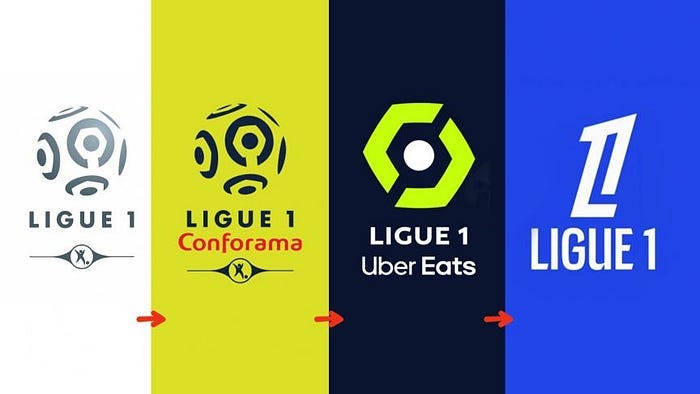
Commercialization and broadcasting deals have transformed Ligue 1 into a global spectacle. The league’s partnership with broadcasters like Canal+ and beIN Sports has brought substantial revenue, allowing clubs to invest in better facilities, youth academies, and marquee signings. Sponsorship deals and marketing strategies have also played a crucial role in enhancing the league’s visibility and appeal. The rebranding to “Ligue 1 Uber Eats” exemplifies the commercial integration that sustains modern football.
Conclusion
Ligue 1’s journey from its humble beginnings in 1932 to its current status as a premier football league is a testament to its resilience and adaptability. The league’s ability to evolve, embrace foreign influences, and capitalize on commercialization has cemented its place in the global football landscape. As Ligue 1 continues to grow, it remains a vibrant and integral part of French sporting culture, captivating fans with its rich history and thrilling future.
